
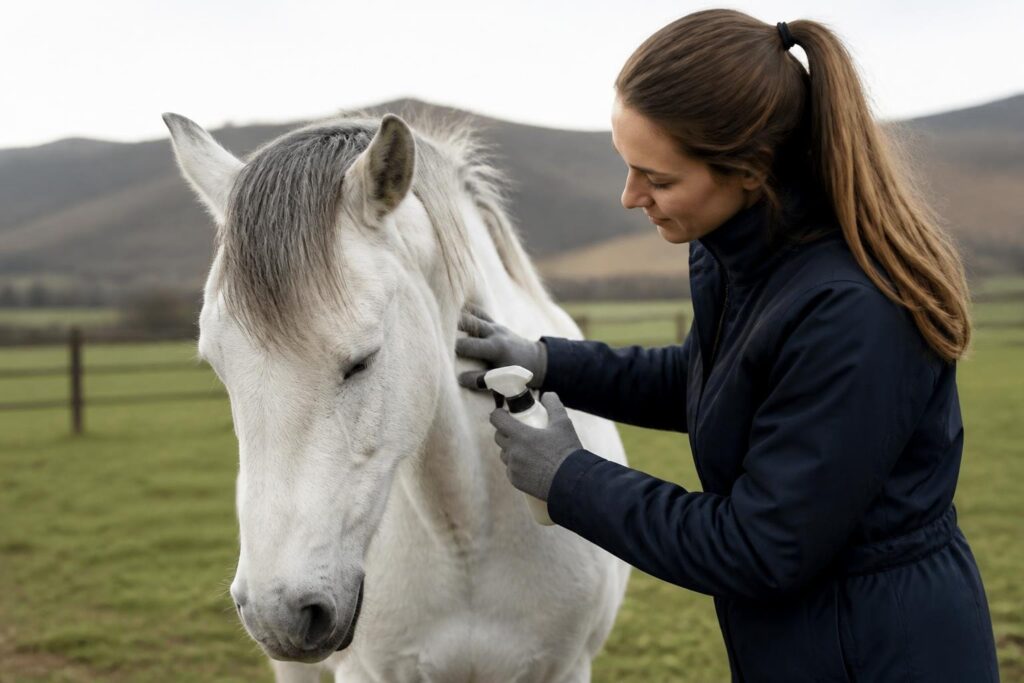
Protecting horses from ticks has become increasingly critical as tick-borne diseases continue to spread across North America. Tick medication for horses serves as a frontline defense against dangerous pathogens like Lyme disease, anaplasmosis, and ehrlichiosis. Unlike dogs and cats, horses lack FDA-approved tick preventatives specifically formulated for equines, requiring owners and veterinarians to explore off-label applications and integrated pest management strategies. Understanding the available options, application methods, and preventive measures ensures your horse remains healthy and protected throughout tick season.
Understanding Tick Risks for Horses
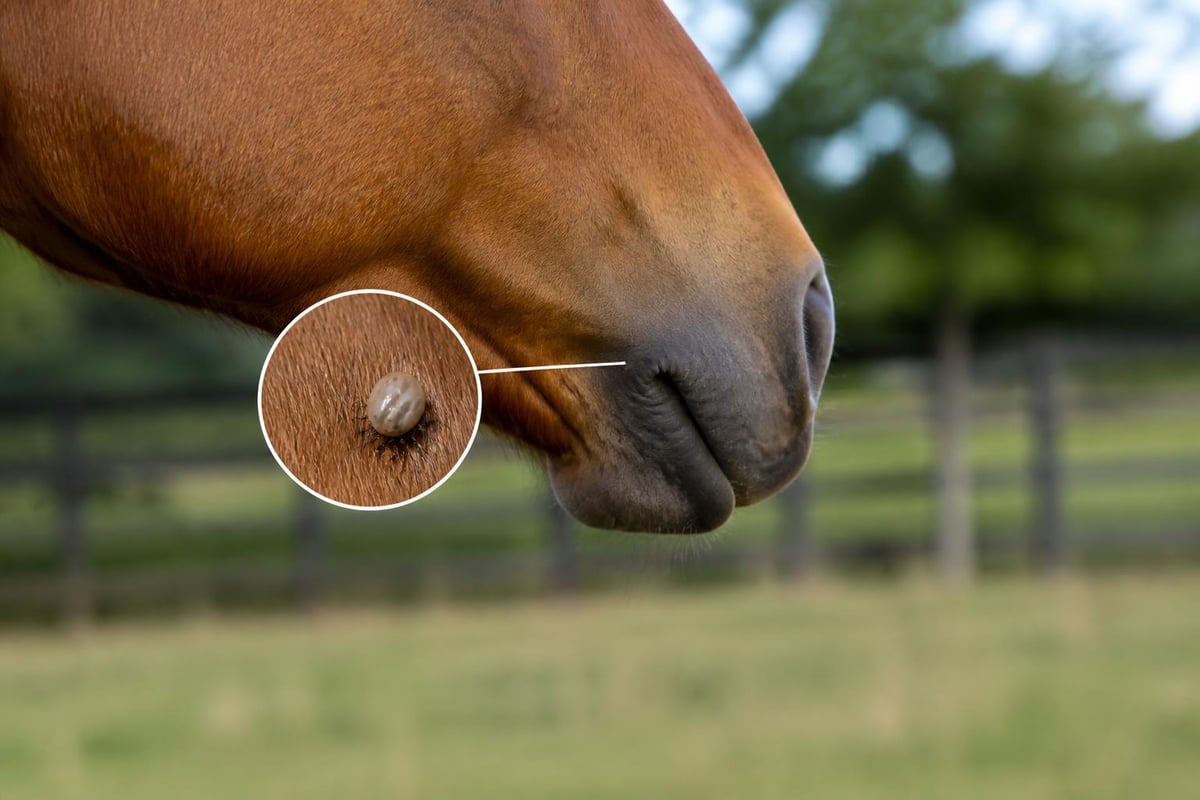
Ticks pose significant health threats to horses beyond simple irritation. These parasites transmit bacterial, viral, and protozoal diseases that can cause severe illness, chronic lameness, and long-term performance issues.
Common Tick-Borne Diseases in Equines
Lyme disease in horses represents the most prevalent tick-borne illness across the United States. Caused by Borrelia burgdorferi bacteria, this condition manifests through lameness, joint swelling, behavioral changes, and general stiffness. Anaplasmosis produces fever, depression, reluctance to move, and limb swelling, while ehrlichiosis triggers similar symptoms with potential neurological complications.
Tick-borne encephalitis, though less common, can cause devastating neurological damage. Horses contract these diseases through various tick species including blacklegged ticks (deer ticks), lone star ticks, and American dog ticks. Each species carries different pathogens and thrives in specific geographic regions.
Geographic and Seasonal Considerations
Tick populations fluctuate based on climate, humidity, and regional factors. The Northeast, Mid-Atlantic, and upper Midwest experience the highest Lyme disease rates, while anaplasmosis appears more frequently in California and the northern states. Spring and fall represent peak tick seasons when nymphal and adult ticks actively seek hosts.
Wooded pastures, areas with tall grasses, and properties bordering wildlife habitats create ideal tick environments. Horses pastured in these locations face elevated exposure risks compared to those kept in managed, cleared paddocks.
Topical Tick Medication Options
The equine industry relies primarily on topical formulations originally developed for other species, applied off-label under veterinary guidance. These products provide varying protection durations and efficacy levels.
Spot-On Treatments
Spot-on tick medication for horses delivers concentrated protection through strategic application points. Equi-Spot Spot-On Protection contains cypermethrin and citronella oil, offering 14-day protection against ticks, flies, mosquitoes, and gnats. The product requires application along the topline, mane, tailhead, chest, and legs.
Farnam Equi-Spot provides similar coverage with its pyrethroids-based formula. The sweat-resistant formulation maintains effectiveness even during heavy work or humid conditions. Most spot-on products require reapplication every two weeks during peak tick season.
| Product | Active Ingredient | Protection Duration | Application Sites |
|---|---|---|---|
| Equi-Spot | Cypermethrin | 14 days | Topline, mane, tail, chest, legs |
| Pro-Force 50 | Permethrin 50% | 14-21 days | Dorsal midline, chest, hindquarters |
| Vectra 3D (off-label) | Dinotefuran, Permethrin | 30 days | Topline application points |
High-Concentration Permethrin Products
Manna Pro Pro-Force 50 delivers intensive protection through its 50% permethrin concentration. This formulation extends coverage periods up to three weeks, reducing application frequency. The higher concentration proves particularly valuable for horses with severe tick pressure or those in endemic disease areas.
Application requires precision to ensure proper coverage without oversaturation. Six application points along the spine, plus chest and hindquarter areas, distribute the medication effectively across the horse's body.
Spray Formulations and Natural Alternatives
Beyond spot-on treatments, spray applications offer flexible tick medication for horses with varying needs and sensitivities.
Conventional Pyrethroid Sprays
Permethrin-based sprays provide immediate knockdown effects and residual protection. These products require daily or every-other-day application but allow targeted coverage of high-risk areas like legs, belly, and head. Ready-to-use formulations eliminate mixing requirements, while concentrated versions offer economic advantages for multiple horses.
Application technique significantly impacts effectiveness. Spraying against hair growth ensures product penetration to skin level where ticks attach. Focus on legs, chest, belly, and areas between front legs where ticks commonly latch.
Natural and Botanical Options
UltraCruz Equine Natural Fly and Tick Spray represents the growing natural product category. These formulations combine essential oils like cedarwood, peppermint, rosemary, and lemongrass to repel ticks without synthetic chemicals. While generally safer for frequent application, natural products typically require more frequent reapplication and may provide less consistent protection than synthetic alternatives.
Natural tick medication for horses appeals to owners preferring chemical-free management or horses competing in organizations with medication restrictions. These products work best as part of comprehensive integrated pest management programs rather than standalone solutions.
Off-Label Veterinary Applications
Veterinarians sometimes prescribe medications approved for other species when managing severe tick infestations or high-risk situations.
Canine Tick Preventatives Adapted for Horses
Vectra 3D for tick prevention represents one off-label option veterinarians employ. Originally formulated for large dogs, this product combines dinotefuran, permethrin, and pyriproxyfen for comprehensive protection. Dosing calculations based on body weight and strategic application points extend coverage across a horse's much larger surface area.
Off-label applications require veterinary oversight to determine appropriate dosing, application frequency, and monitoring protocols. These approaches should only proceed under professional guidance with documented consent and understanding of potential risks.
Systemic Considerations and Limitations
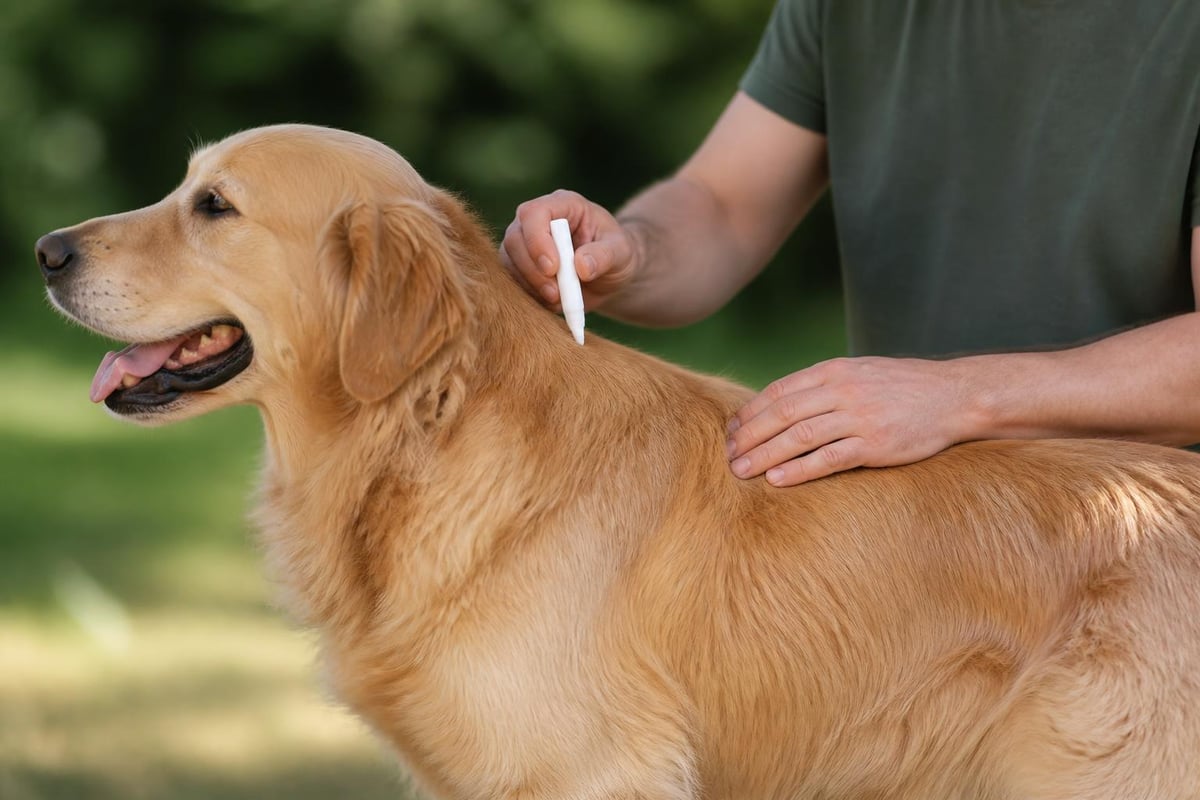
Unlike companion animals, horses lack FDA-approved systemic tick medications. Ivermectin and moxidectin effectively control internal parasites but provide no tick protection. Research into equine-specific systemic tick preventatives continues, though regulatory approval remains years away.
This gap necessitates reliance on topical products and environmental management. Combined approaches deliver more consistent protection than any single method alone.
Application Best Practices
Proper application maximizes tick medication for horses effectiveness while minimizing waste and potential adverse reactions.
Preparation and Safety Protocols
Before applying any tick medication, thoroughly groom the horse to remove dirt, debris, and loose hair. Clean skin allows better product absorption and adhesion. Check weather forecasts to avoid application before rain, which can wash away topical treatments before they bond to hair and skin.
Wear protective gloves when handling concentrated products. Apply treatments in well-ventilated areas, avoiding application near feed or water sources. Keep horses separated during drying periods to prevent mutual grooming that could transfer products between animals.
Strategic Application Timing
Apply tick medication for horses before anticipated exposure rather than after infestation begins. Start applications in early spring before tick populations emerge and continue through late fall. In southern climates with year-round tick activity, maintain consistent application schedules.
Pre-trail ride applications provide crucial protection for horses entering heavily wooded areas or tall grasslands. Reapply after heavy rain or intense sweating that may reduce product effectiveness.
Integrated Tick Management Programs
Medication alone cannot eliminate tick exposure. Comprehensive management combines chemical control with environmental modifications and physical prevention methods.
Pasture and Habitat Management
Regular mowing reduces tick habitat by eliminating tall grasses where these parasites wait for hosts. Create 10-foot buffer zones between wooded areas and pastures using gravel or wood chips. Remove leaf litter, brush piles, and debris that provide tick harborage.
Rotational grazing reduces tick exposure by moving horses before parasite populations build in specific paddocks. Allow pastured areas to rest during peak tick season when possible, disrupting the tick life cycle.
Physical Barriers and Inspection Protocols
Daily tick checks complement tick medication for horses by catching parasites before they transmit diseases. Focus on areas where ticks commonly attach:
- Between front legs and chest
- Under mane and forelock
- Around ears and poll
- Tail dock and udder/sheath areas
- Lower legs and coronet bands
Lightweight fly sheets and leg wraps provide physical barriers during turnout, though they require regular inspection to ensure they don't create moisture or heat issues. Remove these items daily to check for ticks underneath.
Treatment Protocols for Active Infestations
When ticks attach despite preventive measures, prompt removal and appropriate follow-up reduce disease transmission risks.
Safe Tick Removal Techniques
Use fine-tipped tweezers or specialized tick removal tools to grasp the tick as close to the skin as possible. Pull straight up with steady, even pressure without twisting. Avoid crushing the tick's body, which can force infected material into the wound. Clean the attachment site with antiseptic after removal.
Never use heat, petroleum jelly, or other folk remedies that may cause ticks to regurgitate into the wound, potentially increasing disease transmission. Save removed ticks in alcohol-filled containers for potential identification if symptoms develop.
Post-Exposure Monitoring
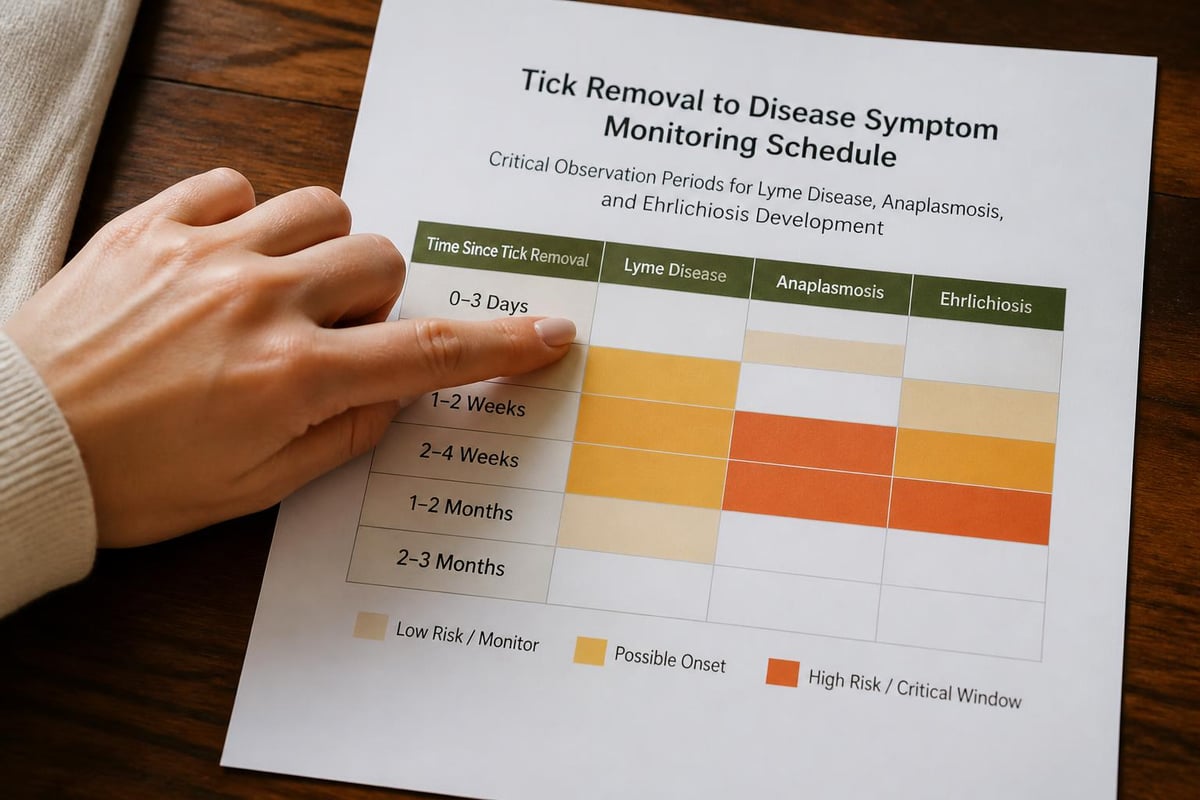
Monitor horses for 30 days following tick attachment, watching for fever, lameness, lethargy, or behavioral changes. Document tick removal dates and attachment locations to provide veterinarians with accurate exposure history if illness develops. Early disease detection significantly improves treatment outcomes.
Contact your veterinarian immediately if symptoms appear. Blood tests can confirm tick-borne diseases, though timing affects accuracy. Some tests require weeks post-exposure to detect antibodies accurately.
Selecting Appropriate Products for Your Horse
Individual horse factors influence tick medication for horses selection, requiring personalized approaches rather than one-size-fits-all solutions.
Considerations for Different Horse Types
Performance horses competing under medication rules require products without prohibited substances. Natural formulations or those with shorter withdrawal periods accommodate competition schedules. Sensitive horses prone to skin reactions benefit from gentler formulations or natural alternatives despite potentially reduced efficacy.
Pregnant mares, nursing foals, and geriatric horses require extra caution with chemical applications. Consult veterinarians before applying tick medications to these populations, as product labels may not specifically address equine reproductive or age-related safety.
Cost-Effectiveness and Practical Management
Multi-horse operations benefit from concentrated products requiring dilution, though these demand careful mixing and application. Ready-to-use formulations simplify application but cost more per treatment. Calculate per-application costs rather than per-bottle prices when comparing options.
| Management Factor | Spot-On Products | Spray Applications | Natural Products |
|---|---|---|---|
| Application Frequency | Every 14 days | Daily to every 3 days | Daily |
| Labor Requirements | Low | Moderate | Moderate to High |
| Coverage Consistency | High | Variable | Variable |
| Weather Resistance | Excellent | Moderate | Poor to Moderate |
Environmental and Health Safety Considerations
Responsible tick medication for horses use requires awareness of environmental impacts and potential health effects on horses, handlers, and other animals.
Aquatic and Wildlife Impacts
Pyrethroids prove highly toxic to aquatic organisms and beneficial insects. Prevent product runoff into streams, ponds, or wetlands. Avoid treating horses near water sources and allow products to fully dry before allowing access to aquatic areas. Barn cats and other small animals face poisoning risks from concentrated permethrin products.
Store medications properly in locked cabinets away from extreme temperatures. Dispose of empty containers according to local regulations rather than discarding in regular trash.
Adverse Reaction Recognition
While generally safe when used properly, tick medications occasionally cause reactions ranging from mild skin irritation to more serious effects. Watch for excessive scratching, hives, facial swelling, or respiratory changes following application. Wash affected areas immediately with mild soap and water if reactions occur, and contact your veterinarian.
Maintain detailed records of products used, application dates, and any reactions observed. This documentation helps identify problematic formulations and provides valuable information if veterinary intervention becomes necessary.
Emerging Research and Future Developments
The equine industry continues seeking improved tick medication for horses through ongoing research and product development initiatives.
Vaccine Development Progress
Lyme disease vaccines for horses entered limited availability in recent years, though questions about efficacy and duration of immunity persist. These products provide another tool in comprehensive tick-borne disease prevention but do not eliminate the need for tick control measures. Vaccines address only specific pathogens, leaving horses vulnerable to other tick-borne diseases.
Novel Application Systems and Formulations
Researchers explore sustained-release technologies that extend protection periods beyond current 14-day limitations. Microencapsulation and polymer-based delivery systems show promise in veterinary medicine, potentially reducing application frequency while maintaining consistent efficacy. Long-acting injectable formulations remain in early development stages for equine applications.
Professional partnerships between veterinarians, pharmaceutical companies, and horse owners drive innovation in tick medication for horses. Sharing field experiences and treatment outcomes helps identify gaps in current options and prioritize development efforts.
Effective tick protection requires combining appropriate medications with environmental management and consistent monitoring protocols. Horse owners must evaluate their specific risk factors, horse populations, and practical management constraints when selecting tick medication for horses that fits their operations. Equine Medical Supplements understands these complex decisions and provides expert guidance alongside tailored medication solutions for comprehensive equine health maintenance. Whether you need preventive products, symptom management solutions, or performance enhancement support, their specialized equine pharmacy delivers professional-grade options across all horse breeds and performance animals.
Article written using RankPill.