
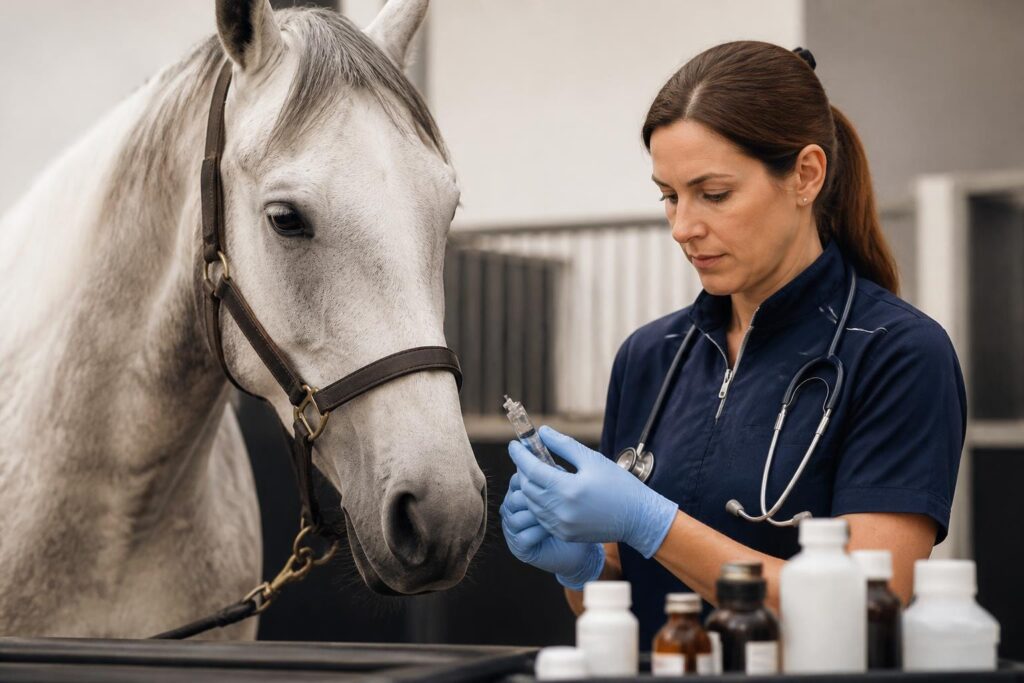
Managing equine health requires specialized knowledge of pharmaceutical interventions that address everything from routine wellness to acute medical conditions. Medication for horses has evolved significantly in recent years, with advances in drug delivery systems, improved formulations, and better understanding of equine pharmacology. Whether you own performance horses, companion animals, or working equids, understanding how medications function, when they're needed, and how to administer them safely is fundamental to responsible horse ownership. This comprehensive guide explores the landscape of equine pharmaceuticals, regulatory considerations, and best practices for ensuring your horse receives optimal therapeutic care.
Understanding Categories of Equine Pharmaceuticals
The pharmaceutical arsenal available for horses spans multiple therapeutic categories, each designed to address specific health challenges. Recognizing these categories helps owners and trainers make informed decisions when consulting with veterinarians.
Anti-Inflammatory Medications
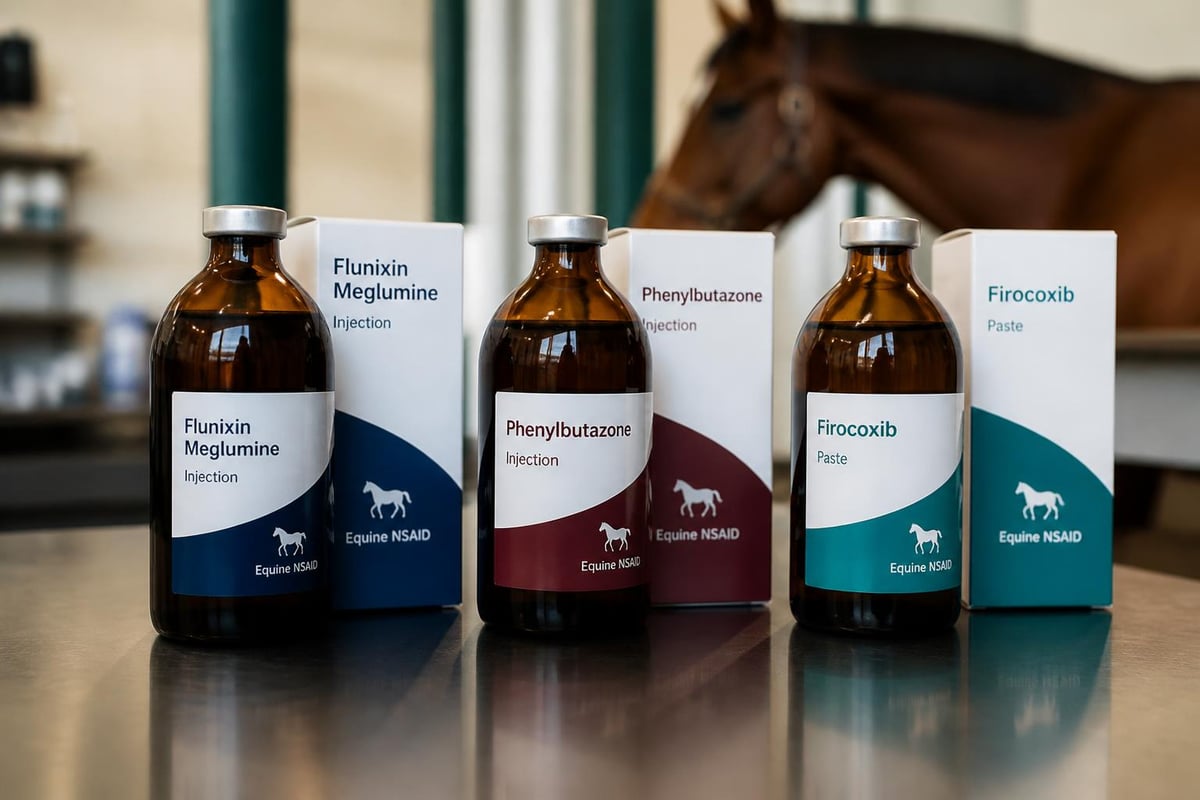
Non-steroidal anti-inflammatory drugs (NSAIDs) represent one of the most commonly used classes of medication for horses. These pharmaceuticals manage pain, reduce inflammation, and control fever across numerous conditions. Three primary NSAIDs dominate equine medicine: flunixin meglumine, phenylbutazone, and firocoxib, each with distinct properties and applications.
Flunixin meglumine excels at treating visceral pain, making it particularly valuable for colic cases. Its anti-endotoxic properties provide additional benefits in cases of severe gastrointestinal distress.
Phenylbutazone, commonly called "bute," remains the gold standard for musculoskeletal pain relief. It effectively manages lameness associated with arthritis, soft tissue injuries, and post-surgical discomfort.
Firocoxib offers COX-2 selective inhibition, potentially reducing gastrointestinal side effects compared to traditional NSAIDs while providing sustained pain management for osteoarthritis.
Antimicrobial Agents
Bacterial infections demand prompt treatment with appropriate antibiotics. The selection of antimicrobial medication for horses depends on the infection site, causative organism, and individual horse factors.
- Penicillin remains effective for susceptible streptococcal and other bacterial infections
- Trimethoprim-sulfamethoxazole provides broad-spectrum coverage for respiratory and urinary tract infections
- Gentamicin addresses serious gram-negative infections when other options prove inadequate
- Metronidazole specifically targets anaerobic bacteria often involved in deep tissue infections
Veterinary culture and sensitivity testing ensures the selected antibiotic matches the bacterial pathogen, preventing resistance development and treatment failure.
Parasitic Control Medications
Strategic deworming programs protect horses from internal parasites that compromise health and performance. Modern approaches emphasize targeted treatment based on fecal egg counts rather than routine interval dosing.
| Parasite Type | Primary Medication | Target Parasites |
|---|---|---|
| Strongyles | Ivermectin, Moxidectin | Large and small strongyles |
| Ascarids | Pyrantel, Fenbendazole | Roundworms (primarily young horses) |
| Tapeworms | Praziquantel | Anoplocephala species |
| Bots | Ivermectin, Moxidectin | Gasterophilus larvae |
Research on anthelmintic programs demonstrates that strategic approaches improve efficacy while reducing unnecessary chemical exposure. Resistance monitoring through fecal egg count reduction tests helps identify when parasites no longer respond to specific dewormers.
Specialized Therapeutic Medications
Beyond basic categories, medication for horses includes specialized pharmaceuticals targeting specific conditions that commonly affect equine athletes and companion horses.
Joint Health and Osteoarthritis Management
Degenerative joint disease affects horses across disciplines, particularly those engaged in athletic activities. Modern therapeutic options extend beyond traditional NSAIDs to include disease-modifying agents and innovative delivery systems.
Hyaluronic acid and polysulfated glycosaminoglycans provide intra-articular support, potentially slowing cartilage degradation. Recent research into nanogel technologies shows promise for long-term osteoarthritis management through targeted delivery of receptor antagonist peptides.
Corticosteroids like triamcinolone and methylprednisolone acetate offer potent anti-inflammatory effects when injected directly into affected joints. However, their use requires careful consideration of competitive regulations and potential long-term effects on cartilage health.
Respiratory Medications
Equine respiratory conditions ranging from exercise-induced pulmonary hemorrhage to inflammatory airway disease require targeted pharmaceutical intervention.
Bronchodilators such as clenbuterol relax airway smooth muscle, improving breathing efficiency in horses with obstructive conditions. Corticosteroids delivered via inhalation or systemically reduce airway inflammation associated with allergic responses and chronic conditions.
Furosemide prevents or reduces exercise-induced pulmonary hemorrhage in susceptible horses, though its use faces increasing scrutiny in competitive environments. Some jurisdictions have implemented race-day medication bans affecting furosemide administration.
Gastrointestinal Health Pharmaceuticals
Gastric ulcers affect a substantial percentage of performance horses, necessitating effective acid-suppressing medications. Omeprazole remains the primary treatment, available in paste and granule formulations for extended gastric pH control.
Sucralfate provides additional support by forming protective barriers over ulcerated tissue, while misoprostol offers cytoprotective effects through prostaglandin analog activity. Combined approaches often yield superior results compared to single-agent therapy.

Administration Methods and Best Practices
Proper medication delivery ensures therapeutic efficacy while minimizing stress and potential complications. Various administration routes suit different pharmaceutical formulations and clinical situations.
Oral Administration Techniques
Oral medication for horses comes in multiple forms including pastes, powders, tablets, and liquids. Each format presents unique advantages and challenges.
Paste medications offer convenience and ensure complete dose delivery when properly administered. Insert the syringe in the interdental space, deposit the paste on the back of the tongue, and hold the head elevated briefly to prevent spitting.
Powder formulations mixed with feed work well for medications requiring daily administration over extended periods. However, palatability concerns may cause some horses to refuse treated feed. Molasses or applesauce can improve acceptance.
Crushed tablets require verification that crushing doesn't compromise medication effectiveness. Some sustained-release formulations lose their extended action when crushed.
Injectable Medications
Intramuscular and intravenous injections deliver rapid therapeutic concentrations, particularly valuable for acute conditions or medications with poor oral bioavailability.
- Prepare the injection site by cleaning with alcohol and allowing it to dry completely
- Use proper needle gauge (typically 18-20 gauge for IM, 16-18 gauge for IV)
- Aspirate before injecting to confirm proper placement and avoid vascular injection
- Inject slowly to reduce tissue irritation and post-injection soreness
- Rotate injection sites to prevent abscess formation or muscle damage
Intravenous administration requires additional expertise and carries higher risks if performed incorrectly. Many owners prefer veterinary administration for IV medications.
Topical and Transdermal Applications
Topical medication for horses includes wound treatments, antifungal preparations, and analgesic formulations. Transdermal patches and compounded creams offer alternatives for systemic medication delivery, though absorption rates vary considerably between individual horses.
Clean application areas thoroughly before applying topical medications. Protective bandaging may be necessary to prevent the horse from removing topical treatments or to enhance absorption.
Regulatory Considerations for Competition Horses
Horses competing in sanctioned events face strict medication regulations designed to ensure fair competition and animal welfare. Understanding these rules prevents inadvertent violations that could result in disqualification or more serious penalties.
Permitted Substances and Withdrawal Times
Competition medication guidelines establish which substances are permissible and when horses must discontinue medications before competing. Withdrawal times vary based on the specific drug, dosage, and detection method sensitivity.
Therapeutic use exemptions may be available for horses requiring ongoing medication for legitimate health conditions. These require veterinary documentation and advance approval from governing bodies.
California’s Equine Medication Rule exemplifies state-level regulations governing medication use at public shows and competitions. Owners and trainers bear responsibility for knowing applicable rules in their jurisdiction.
Testing and Compliance
Random drug testing occurs at many competitive events, with samples analyzed for prohibited substances. Positive tests trigger investigations that examine medication records, veterinary treatment documentation, and environmental contamination possibilities.
| Medication Category | Typical Detection Window | Competition Impact |
|---|---|---|
| NSAIDs (oral) | 24-72 hours | Restricted or banned on competition day |
| Corticosteroids (systemic) | 7-14 days | Generally prohibited without exemption |
| Bronchodilators | 48-96 hours | Varies by jurisdiction |
| Sedatives | 24-48 hours | Universally prohibited |
Maintaining detailed medication logs protects against accidental violations and provides documentation if questions arise about positive test results.
Emerging Therapies and Research Directions
The field of equine medicine continues advancing, with researchers exploring novel therapeutic approaches that may revolutionize how we treat common conditions.
Biologics and Regenerative Medicine
Platelet-rich plasma, stem cell therapies, and conditioned serum products represent the frontier of regenerative medication for horses. These biologics harness the body's natural healing mechanisms to repair damaged tissues, particularly in musculoskeletal injuries.
While not traditional pharmaceuticals, these treatments often complement conventional medications in comprehensive treatment protocols. Long-term efficacy data continues accumulating as these therapies gain mainstream acceptance.
Novel Anti-Inflammatory Approaches
Research into compounds like ethyl pyruvate explores alternative anti-inflammatory mechanisms that might offer therapeutic benefits without the side effects associated with traditional NSAIDs. These investigations may yield new options for managing chronic inflammatory conditions.
Targeted Drug Delivery Systems
Pharmaceutical companies are developing sophisticated delivery mechanisms that release medications gradually over extended periods or target specific tissues. These systems may reduce administration frequency while maintaining therapeutic drug levels.
Innovations in formulation science also address palatability concerns, making oral medications more acceptable to horses and improving owner compliance with treatment regimens.
Safety Considerations and Side Effect Management
All medication for horses carries potential risks alongside therapeutic benefits. Recognizing adverse reactions promptly and managing them appropriately protects equine health.
Common Adverse Reactions
NSAID-related side effects include gastric ulceration, right dorsal colitis, and renal dysfunction, particularly with prolonged use or excessive dosing. Monitoring for decreased appetite, attitude changes, or diarrhea helps identify problems early.
Antibiotic-associated diarrhea results from disruption of normal intestinal flora. Probiotics may help maintain gut health during antimicrobial therapy, though evidence for their efficacy remains mixed.
Drug Interactions
Multiple medications administered simultaneously may interact, altering effectiveness or increasing toxicity risks. Common interactions include:
- NSAIDs with corticosteroids increases gastrointestinal ulceration risk significantly
- Phenylbutazone with oral anticoagulants enhances bleeding tendencies
- Aminoglycosides with loop diuretics compounds nephrotoxicity potential
Always inform your veterinarian about all medications and supplements your horse receives to allow interaction screening.
Storage and Handling Requirements
Proper medication storage preserves potency and prevents contamination. Most pharmaceuticals require cool, dry conditions away from direct sunlight. Refrigerated medications should never freeze, while room-temperature products tolerate moderate temperature fluctuations.
Check expiration dates regularly and dispose of outdated medications properly. Many veterinary clinics accept expired pharmaceuticals for safe disposal.
Preventive Medication Strategies
Proactive pharmaceutical approaches prevent disease development rather than simply treating established conditions. These strategies prove particularly valuable for horses in high-stress environments or those with chronic condition predispositions.
Gastric Ulcer Prevention
Horses facing travel, training changes, or competition stress benefit from prophylactic omeprazole administration. Studies demonstrate that preventive treatment reduces ulcer incidence in susceptible populations.
Timing matters with preventive protocols. Beginning omeprazole several days before anticipated stressors allows adequate acid suppression development.
Respiratory Health Maintenance
Environmental management combined with medication for horses prone to inflammatory airway disease reduces exacerbation frequency. Inhaled corticosteroids provide localized anti-inflammatory effects without significant systemic absorption.
Research on medications like isoxsuprine for navicular disease demonstrates how understanding pharmacologic effects guides preventive and therapeutic strategies for chronic conditions.
Seasonal Allergy Management
Antihistamines and steroids control seasonal allergies before they progress to severe respiratory compromise or chronic hives. Early intervention when mild symptoms first appear often prevents escalation requiring more aggressive treatment.
Working with Your Veterinarian
Effective medication management requires collaborative partnership between horse owners and veterinary professionals. This relationship ensures appropriate pharmaceutical selection, proper administration, and ongoing monitoring.
Developing Treatment Plans
Comprehensive treatment plans consider the specific diagnosis, horse's overall health status, competition schedule, and owner's ability to administer medications. Veterinarians balance efficacy, safety, cost, and practical considerations when recommending therapeutic approaches.
Open communication about concerns, previous medication experiences, and treatment goals helps veterinarians tailor recommendations to individual situations.
Monitoring Treatment Response
Regular follow-up assessments determine whether medication for horses achieves desired therapeutic outcomes. Adjustments to dosing, medication selection, or treatment duration may be necessary based on response monitoring.
Objective measurements such as lameness grades, respiratory rates, or laboratory values provide quantifiable data tracking treatment efficacy. Subjective observations about attitude, appetite, and performance also contribute valuable information.
Emergency Medication Preparedness
Maintaining a well-stocked first aid kit with basic medications enables prompt response to common emergencies. Consult your veterinarian about appropriate medications to stock and receive training on their proper use.
Essential emergency medications typically include:
- Banamine (flunixin meglumine) for colic pain management
- Phenylbutazone for acute lameness or musculoskeletal pain
- Antibiotic eye ointment for corneal injuries
- Wound care topicals including antimicrobial preparations
Written emergency protocols guide decision-making during stressful situations when veterinary care may be delayed.
Cost Management and Pharmaceutical Options
The financial aspects of medication for horses significantly impact treatment decisions, particularly for chronic conditions requiring long-term therapy.
Generic Versus Brand Name Medications
Generic formulations offer identical active ingredients at reduced costs compared to brand name products. The FDA requires generic animal drugs to meet the same safety and efficacy standards as innovator products.
However, not all equine medications have generic equivalents available. Compounded formulations provide custom alternatives for some situations, though they lack FDA approval and standardized quality control.
Buying in Bulk and Strategic Sourcing
Purchasing larger quantities of frequently used medications reduces per-dose costs. Proper storage ensures products remain viable throughout their shelf life.
Equine Medical Supplements provides access to quality pharmaceutical products for health maintenance, symptom prevention, and performance support across all horse breeds and performance animals.
Insurance Considerations
Equine insurance policies vary in medication coverage. Some plans cover prescription medications related to covered conditions, while others exclude pharmaceutical costs entirely. Review policy details carefully and consider coverage levels during enrollment.
Major medical policies typically provide better medication coverage than mortality-only insurance. Understanding your policy's specific provisions prevents unexpected out-of-pocket expenses.
Understanding medication for horses empowers owners to make informed decisions supporting their animals' health, performance, and wellbeing. From anti-inflammatory drugs and antibiotics to emerging regenerative therapies, the pharmaceutical options available continue expanding while regulatory frameworks ensure safe, ethical use. Whether you manage performance horses requiring precise medication timing around competitions or companion animals needing chronic condition management, partnering with knowledgeable veterinary professionals and reliable pharmaceutical sources proves essential. Equine Medical Supplements specializes in tailored medication solutions designed to meet the diverse needs of horse owners, trainers, and veterinarians seeking quality products for health maintenance, symptom prevention, and performance enhancement.
Article written using RankPill.