
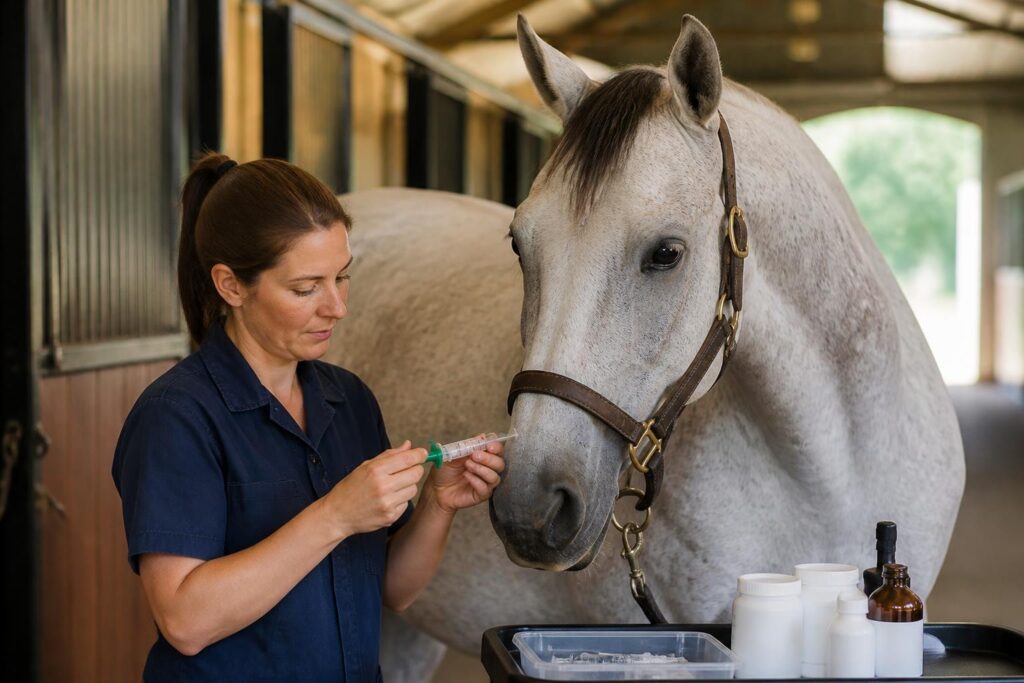
Equine gastric ulcer syndrome affects up to 90% of racehorses and 60% of performance horses, making it one of the most prevalent health challenges in the equine industry. The condition causes discomfort, reduced performance, and significant economic impact for horse owners. Understanding the full spectrum of ulcer medicine for horses has become essential for veterinarians, trainers, and owners committed to maintaining optimal equine health. The pharmaceutical landscape for treating gastric ulcers has evolved considerably, with FDA-approved medications, compounded formulations, and supportive supplements all playing distinct roles in comprehensive treatment protocols.
Understanding Equine Gastric Ulcer Syndrome
The equine stomach consists of two distinct regions: the squamous (non-glandular) portion and the glandular portion. Each area presents unique challenges when ulcers develop. The squamous region lacks protective mucus and is particularly vulnerable to acid damage during exercise, fasting, or stress. The glandular portion, while producing protective mechanisms, can still develop ulcers when these defenses break down.
Equine Gastric Ulcer Syndrome manifests through various clinical signs that often overlap with other conditions. Horses may exhibit poor appetite, weight loss, decreased performance, changes in attitude, or colic symptoms. The non-specific nature of these signs makes accurate diagnosis challenging without gastroscopic examination.
Risk Factors and Prevalence
Multiple factors contribute to ulcer development in horses:
- Intense training schedules that increase gastric acid production
- Extended periods without forage leading to reduced saliva buffering
- High-grain diets that alter gastric pH and fermentation patterns
- Transportation stress affecting both physiological and behavioral responses
- Non-steroidal anti-inflammatory drug (NSAID) use compromising mucosal protection
Research published in diagnostic studies demonstrates that gastroscopy remains the gold standard for confirming ulcers and grading their severity. This procedure allows veterinarians to visualize lesions directly and assess healing progress during treatment.
FDA-Approved Ulcer Medicine for Horses
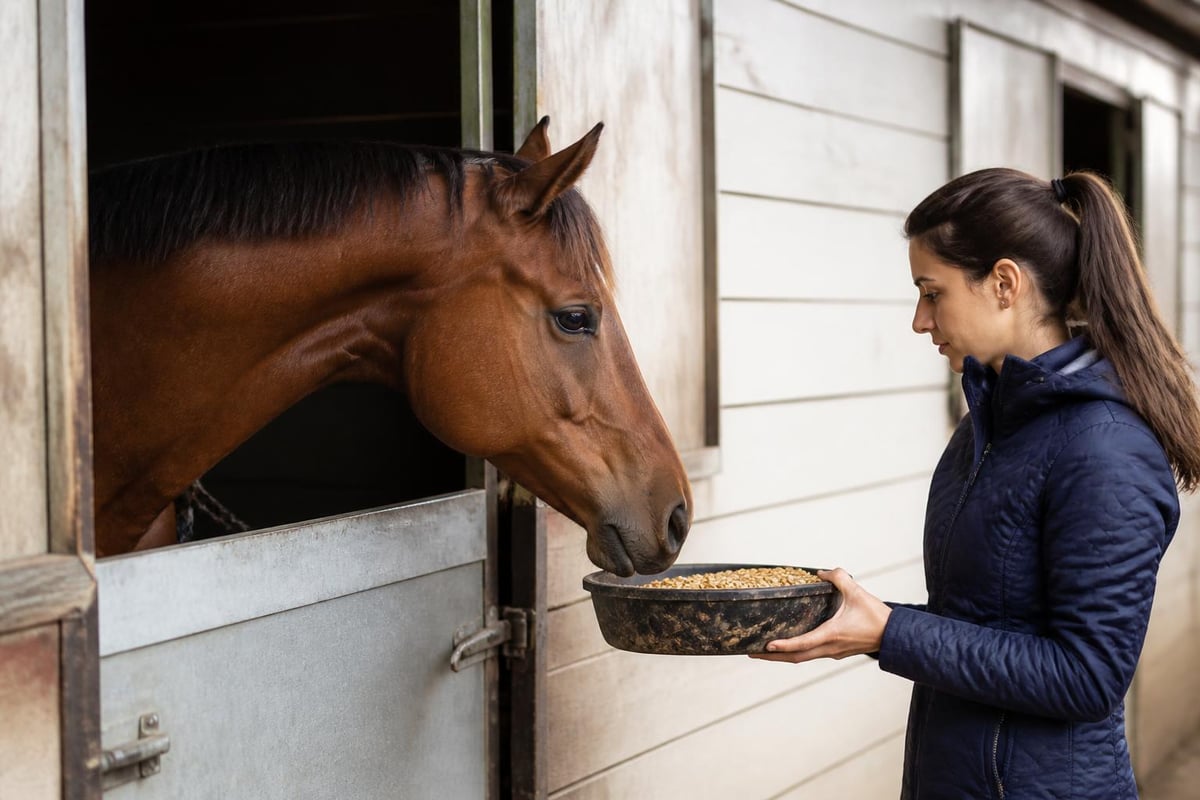
Omeprazole stands as the cornerstone pharmaceutical intervention for equine gastric ulcers. This proton pump inhibitor works by blocking the hydrogen-potassium ATPase enzyme system in gastric parietal cells, effectively reducing acid secretion at its source. The mechanism provides superior acid suppression compared to histamine-receptor antagonists.
GastroGard: Treatment Protocol
GastroGard represents the FDA-approved omeprazole formulation specifically licensed for treating active gastric ulcers in horses. The standard treatment protocol involves:
- Initial dosing at 4 mg/kg body weight once daily
- Administration on an empty stomach for optimal absorption
- Treatment duration of 28 days for squamous ulcers
- Extended therapy up to 90 days for glandular ulcers when needed
- Follow-up gastroscopy to confirm healing before discontinuation
| Treatment Phase | Dosage | Duration | Expected Outcome |
|---|---|---|---|
| Active Treatment | 4 mg/kg daily | 28-90 days | 70-90% healing rate |
| Maintenance | 1-2 mg/kg daily | Ongoing | Prevention of recurrence |
| Prevention | 1 mg/kg daily | As needed | Reduces new ulcer formation |
Clinical trials demonstrate that GastroGard achieves healing rates exceeding 70% for squamous ulcers within 28 days. Glandular ulcers typically require longer treatment periods and may show lower healing rates, necessitating comprehensive management approaches.
UlcerGard: Prevention Strategy
UlcerGard contains the same active ingredient as GastroGard but is specifically approved for preventing gastric ulcers in horses exposed to stressful situations. The preventive dose of 1 mg/kg daily helps maintain gastric health during:
- Competition schedules requiring frequent travel
- Training intensification periods
- Dietary transitions or management changes
- Post-surgical recovery requiring NSAID therapy
The distinction between treatment and prevention formulations matters for regulatory compliance and insurance coverage considerations. Veterinarians must prescribe the appropriate product based on clinical assessment and intended use.
Alternative and Compounded Ulcer Medicine for Horses
While omeprazole dominates the treatment landscape, various alternative therapies and compounded formulations provide additional options. These alternatives become relevant when cost constraints exist, horses show poor response to standard therapy, or owners prefer multi-modal approaches.
Coating and Buffering Agents
Several products work through physical protection rather than acid suppression:
- Sucralfate creates a protective barrier over ulcerated tissue
- Pectin-lecithin combinations form a protective coating on the gastric lining
- Calcium carbonate buffers temporarily neutralize gastric acid
- Seabuckthorn extracts provide antioxidant and tissue-healing properties
Research on feed supplements containing pectin, lecithin, and antacids shows potential benefits in reducing ulcer scores. However, these products work best as adjunctive therapy rather than primary treatment for active ulceration.
Compounded Omeprazole Formulations
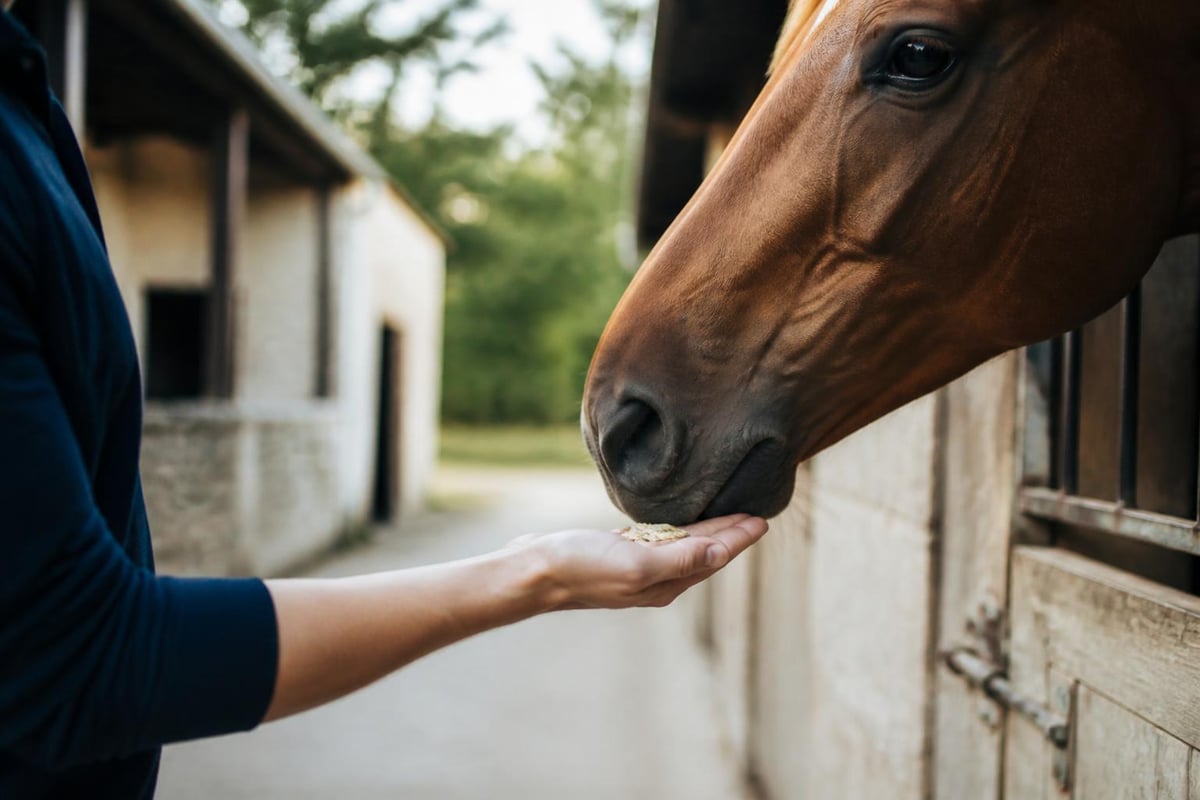
Compounded omeprazole products offer cost advantages but present considerations regarding bioavailability and regulatory status. Comparative studies examining different omeprazole formulations reveal significant variability in absorption and clinical efficacy.
Key factors affecting compounded product performance include:
- Particle size and distribution influencing absorption rates
- Enteric coating quality protecting against premature degradation
- Storage conditions impacting drug stability over time
- Lack of FDA approval requiring veterinary oversight
Horse owners considering compounded alternatives should work closely with veterinarians familiar with specific product performance data. Not all compounded formulations deliver equivalent therapeutic results despite containing identical active ingredient doses.
Therapeutic Approaches and Combination Strategies
Modern ulcer medicine for horses increasingly involves combination approaches addressing multiple pathophysiological factors. Therapeutic reviews emphasize that combining omeprazole with coating agents and synthetic prostaglandins may enhance healing outcomes, particularly for challenging glandular ulcers.
Misoprostol for Glandular Protection
Misoprostol, a synthetic prostaglandin E1 analog, offers specific benefits for glandular ulcer management. This medication:
- Enhances mucosal blood flow improving tissue healing
- Stimulates mucus and bicarbonate secretion
- Reduces acid production through alternative pathways
- Provides protection when NSAIDs must continue during treatment
Combination therapy using omeprazole for acid suppression and misoprostol for mucosal protection addresses both squamous and glandular pathology simultaneously. This approach proves particularly valuable for horses with mixed ulcer presentations or those requiring ongoing NSAID therapy.
Nutritional and Management Components
Effective ulcer treatment extends beyond pharmaceutical intervention. Comprehensive protocols incorporate:
Dietary modifications providing continuous forage access to maintain saliva buffering, reducing grain concentrates that promote acid production, and adding alfalfa hay for its natural buffering capacity.
Management adjustments including turnout time to reduce stress, consistent feeding schedules preventing prolonged fasting, and gradual training progression avoiding sudden intensity increases.
Supplement support through vitamin E for antioxidant protection, omega-3 fatty acids reducing inflammation, and amino acids like glutamine supporting mucosal repair.
| Strategy Type | Specific Interventions | Expected Benefits |
|---|---|---|
| Pharmaceutical | Omeprazole, sucralfate, misoprostol | Direct ulcer healing and acid control |
| Nutritional | Increased forage, reduced grain, alfalfa | Natural buffering and reduced risk factors |
| Management | More turnout, consistent schedules | Stress reduction and behavioral improvement |
| Supplemental | Antioxidants, omega-3s, amino acids | Enhanced healing and inflammation control |
Dosing Protocols and Administration Techniques
Proper administration of ulcer medicine for horses significantly impacts treatment success. Omeprazole absorption depends critically on gastric pH, making timing and technique essential considerations.
Optimal Administration Practices
Administering omeprazole paste on an empty stomach, ideally before morning feeding, maximizes bioavailability. The paste should be deposited on the back of the tongue to ensure swallowing rather than spitting. Waiting 30-60 minutes before feeding allows the medication to reach the small intestine before gastric acid production increases with food intake.
For horses that resist paste administration:
- Mix the dose with a small amount of applesauce or molasses
- Use a dosing syringe without a needle for liquid formulations
- Hide powder formulations in a small grain meal (though this reduces absorption)
- Train horses to accept paste using positive reinforcement techniques
Some treatment formulations utilize enteric coating to protect omeprazole from gastric acid degradation. These products may offer advantages in horses with particularly low gastric pH or those that refuse traditional paste products.
Duration and Monitoring Strategies
Treatment duration varies based on ulcer location and severity. Standard protocols recommend:
- Squamous ulcers: 28 days minimum treatment with 4 mg/kg daily dosing
- Glandular ulcers: 60-90 days treatment, potentially requiring higher doses
- Severe cases: Extended therapy with periodic gastroscopic reassessment
- Maintenance therapy: Reduced doses (1-2 mg/kg) for horses with recurrence risk
Clinical response monitoring includes behavioral observation, performance tracking, and body condition assessment. However, symptom improvement doesn't guarantee complete healing. Follow-up gastroscopy provides the only definitive confirmation that ulcers have resolved before discontinuing therapy.
Cost Considerations and Treatment Economics
The financial investment in ulcer medicine for horses represents a significant consideration for many owners. Treatment costs vary substantially based on product selection, horse size, and treatment duration.
Comparative Product Costs
A 28-day course of FDA-approved GastroGard for a 500 kg horse typically costs between $800 and $1,200, depending on retailer and volume discounts. UlcerGard for prevention runs approximately 25-40% of treatment product costs. Compounded omeprazole products may cost 30-50% less than branded formulations, though efficacy variations require careful evaluation.
Budget-conscious strategies that maintain treatment quality include:
- Purchasing larger quantities when volume discounts apply
- Using prevention protocols strategically during high-risk periods
- Combining lower-dose omeprazole with supportive supplements
- Implementing management changes reducing recurrence risk
- Working with specialized equine pharmacies offering competitive pricing
Long-Term Economic Impact
Untreated ulcers create indirect costs often exceeding medication expenses. Performance decline, training interruptions, increased colic risk, and chronic poor condition generate substantial economic consequences. Proactive treatment and prevention typically prove more cost-effective than managing complications from untreated disease.

Emerging Research and Future Directions
The field of equine gastric ulcer treatment continues evolving as researchers identify novel therapeutic targets and optimize existing protocols. Recent clinical trials investigate alternative formulations and combination approaches that may enhance healing rates or reduce treatment costs.
Novel Therapeutic Compounds
Several promising compounds under investigation include:
Potassium-competitive acid blockers offering faster onset and longer duration than traditional proton pump inhibitors, potentially allowing once-daily dosing with superior acid control.
Mucosal healing promoters like rebamipide, which stimulates prostaglandin production and enhances gastric mucosal defense mechanisms beyond simple acid suppression.
Probiotic and prebiotic formulations targeting the gastric and hindgut microbiome to support overall digestive health and potentially reduce ulcer recurrence.
Natural compounds including various botanical extracts showing anti-inflammatory and healing properties in preliminary studies, though clinical validation remains limited.
Personalized Treatment Approaches
Advancing diagnostic capabilities may enable more targeted therapy selection. Gastric pH monitoring, inflammatory biomarker assessment, and genomic factors could guide individualized treatment protocols optimizing outcomes while minimizing unnecessary medication use.
Prevention as Primary Strategy
Preventing gastric ulcers proves more effective and economical than treating established disease. Comprehensive preventive protocols integrate medication, management, and nutritional strategies tailored to individual horse needs and risk profiles.
Risk-Based Prevention Protocols
Horses in different situations require customized prevention approaches:
Competition horses benefit from UlcerGard during show seasons, increased forage access while traveling, and stress management techniques including consistent routines and adequate turnout between events.
Young horses in training need gradual workload progression, continuous forage availability, limited grain feeding, and proactive monitoring for early ulcer signs during training intensification.
Recovery situations involving NSAID therapy, illness, or surgery warrant prophylactic acid suppression, enhanced nutritional support, and careful monitoring throughout the recovery period.
Management Modifications
Simple management changes significantly reduce ulcer risk without pharmaceutical intervention:
- Providing free-choice grass hay maintaining continuous chewing and saliva production
- Offering alfalfa hay before exercise buffering gastric acid during work
- Limiting fasting periods to 4-6 hours maximum reducing acid exposure to unprotected mucosa
- Ensuring adequate turnout time supporting natural feeding behaviors and stress reduction
- Minimizing unnecessary stress through consistent routines and appropriate socialization
| Prevention Category | Specific Actions | Implementation Timeline |
|---|---|---|
| Feeding | Free-choice forage, pre-exercise alfalfa | Immediate, ongoing |
| Exercise | Gradual progression, adequate warm-up | Training program design |
| Medication | Strategic UlcerGard, NSAID alternatives | Before high-risk periods |
| Environment | Increased turnout, social contact | Facility management changes |
Understanding the full spectrum of ulcer medicine for horses empowers owners and veterinarians to make informed treatment decisions balancing efficacy, safety, and cost considerations. Effective management combines appropriate pharmaceutical intervention with nutritional and environmental modifications addressing the root causes of gastric ulceration. Whether you need FDA-approved treatment products, preventive medications, or supportive supplements for your horse's gastric health, Equine Medical Supplements provides specialized pharmacy services with tailored medication solutions designed for optimal equine wellness and performance. Their expertise in equine gastric health ensures you receive the guidance and products necessary to maintain your horse's digestive comfort and competitive edge.
Article written using RankPill.